DANCE REVIEWS
In a brilliant collaboration with Springback Magazine and supported by the British Council, Dance Bridges Festival was pleased to host our first Dance Writing Workshop series facilitated by Dom Czapski (UK) -performer and dance writer. This wonderful opportunity drew dance writers interested in developing their skills from Kolkata, Faridabad, New Delhi and Bangalore to engage in hybrid sessions. Below you will find a compilation of edited reviews and essays of live performances and films presented during Dance Bridges Festival 2026. A project of Aerowaves Europe @aerowaves_europe, Springback is a European programme that nurtures writing, thinking and communication around contemporary dance. springback.org
CROQUIS
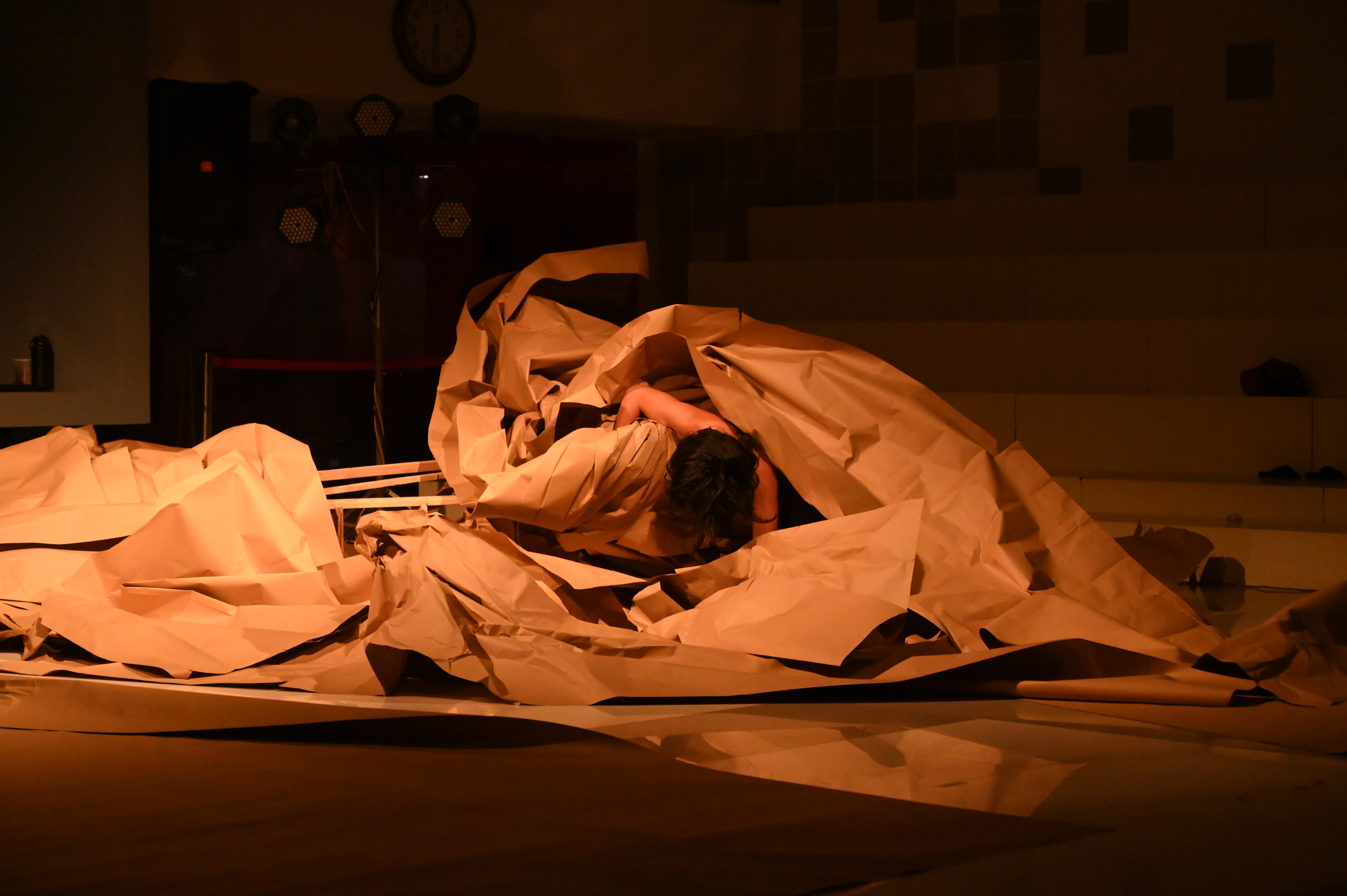
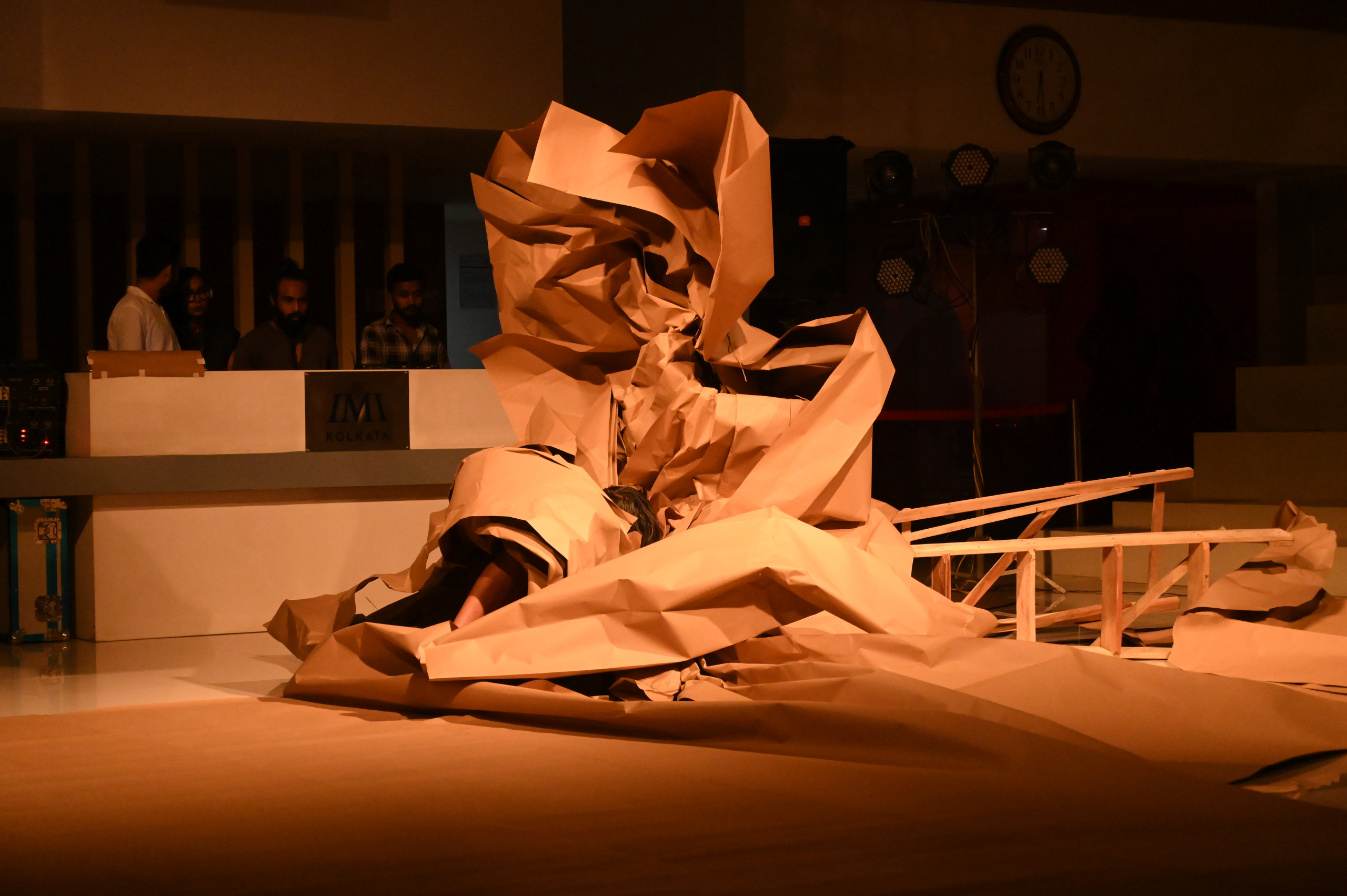
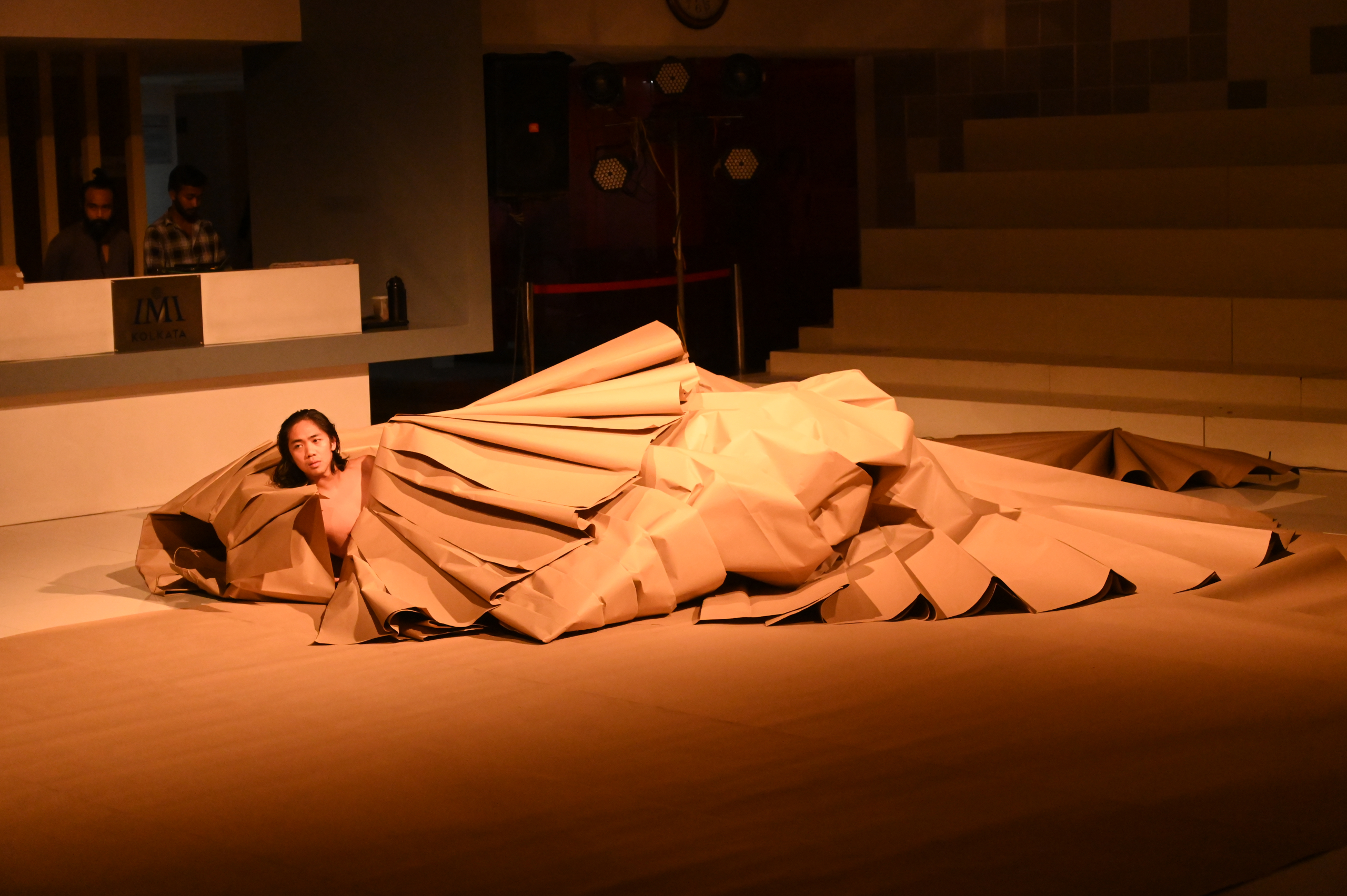
A towering brown origami structure faces the audience upon arrival. Meticulously pleated, the paper cascades onto the performance floor. One may mistake it for an art installation. But, hidden inside (in plain sight) is the dancer ready to commence his act.
Titled Croquis (or quick sketch), and choreographed and performed by Ralph Escamillan, the piece unfolds through slow controlled movements performed above eye level. Here, the dancer’s bare upper body is revealed, only to sink again into hiding within the tower, which he then pushes onto the floor. Disappearing and reappearing (in parts), the dancer rolls in, gathers and runs through volumes of disfigured paper. Whenever resurfacing via precisely executed techniques like raised extended legs and headstands, images of flowing fabric seem to be invoked – sometimes swallowing him, other times draping around him.
Once out of this sea of paper, jumping, the dancer suddenly ends the piece with a sharp twirl and fall to the ground.
-Somya Jatwani
WE ARE NOT BEAUTIFUL
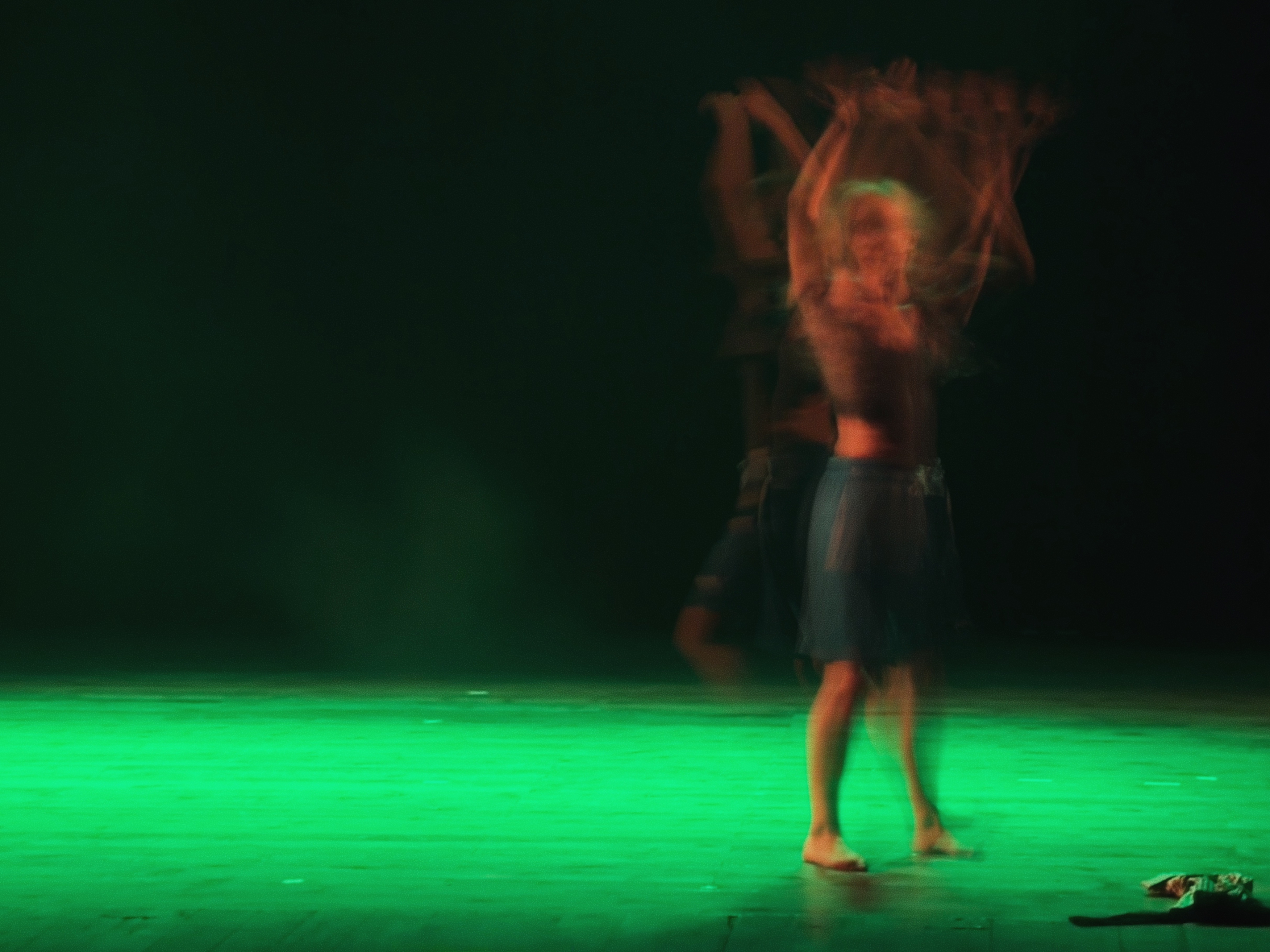
Laura Kenyon’s We Are Not Beautiful is a contemporary dance work inspired by the 1970 Miss World protest and its slogan, “We Are Not Ugly, We Are Not Beautiful, We’re Angry!” The 19 minute performance questions imposed ideas of beauty and the ways society shapes women’s identities.
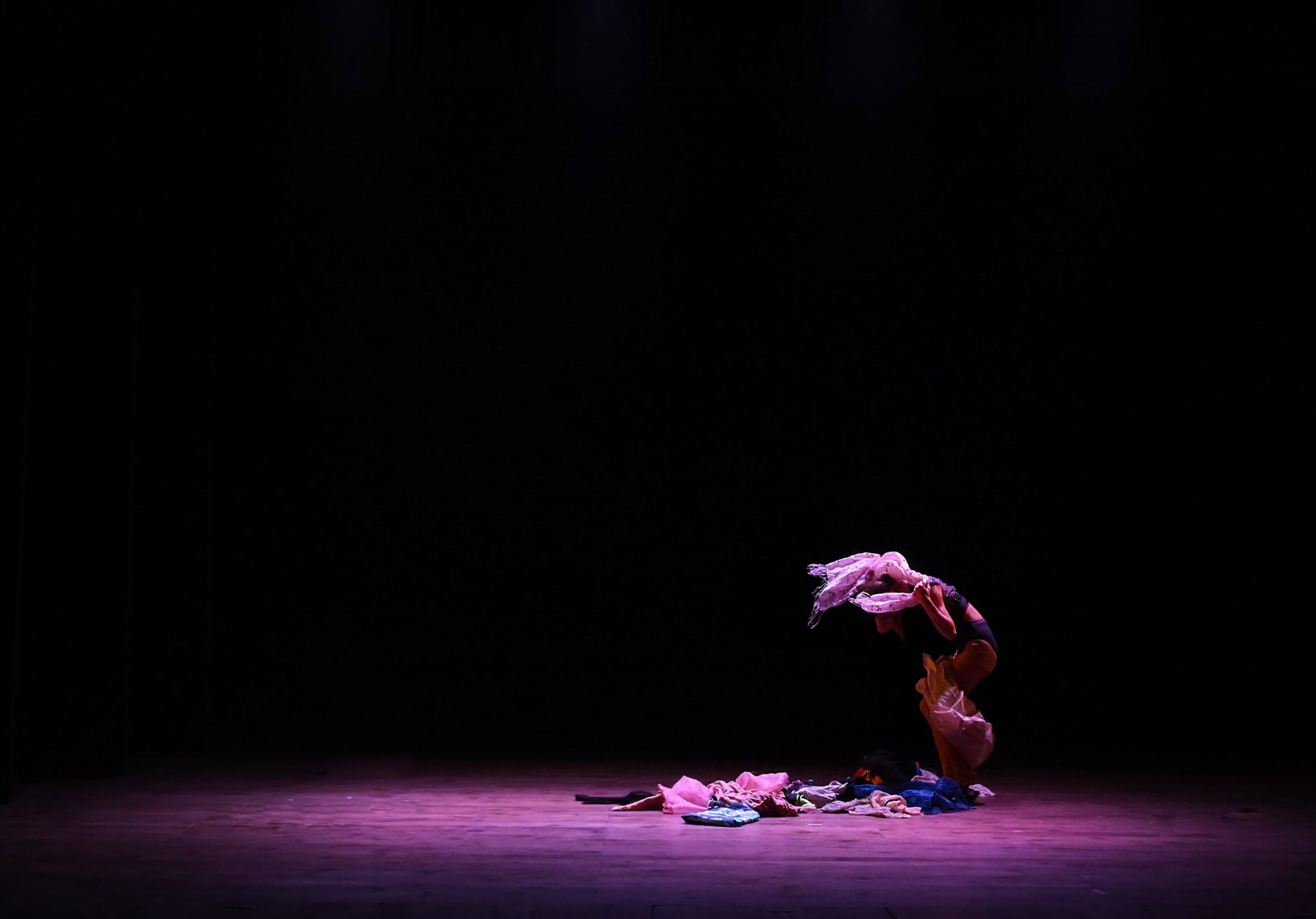
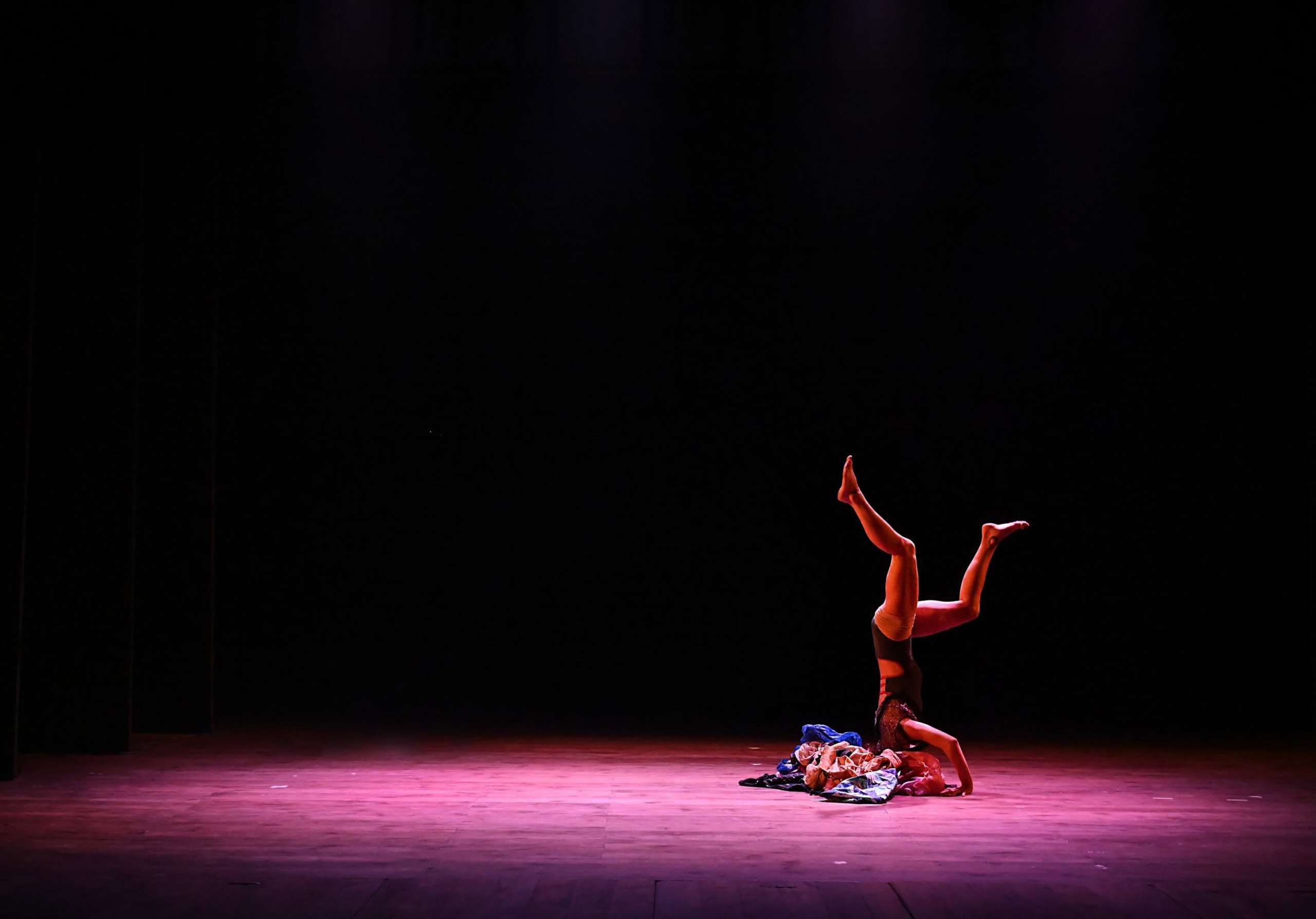
The performance begins with a woman surrounded by costumes, struggling to choose one that fits. As she smells, wears and eventually throws them away, the costumes become symbols of identities imposed upon her. Her increasingly intense and convulsive movements communicate frustration, anger and resistance. At moments, her body appears physically burdened by these expectations.
A shift in music creates a pause as she drinks water and gathers the discarded costumes. Later, a new costume, lighting and renewed movement suggest a sense of awakening and liberation. The work challenges narrow definitions of beauty and ultimately celebrates diversity, difference and the freedom to define oneself.
-Varshaa Ganesh
MEETING POINT
“Meeting Point” by Chen Yu-Chi interestingly uses abstract modes of expression to think about our everyday encounters of individuality and connectivity.
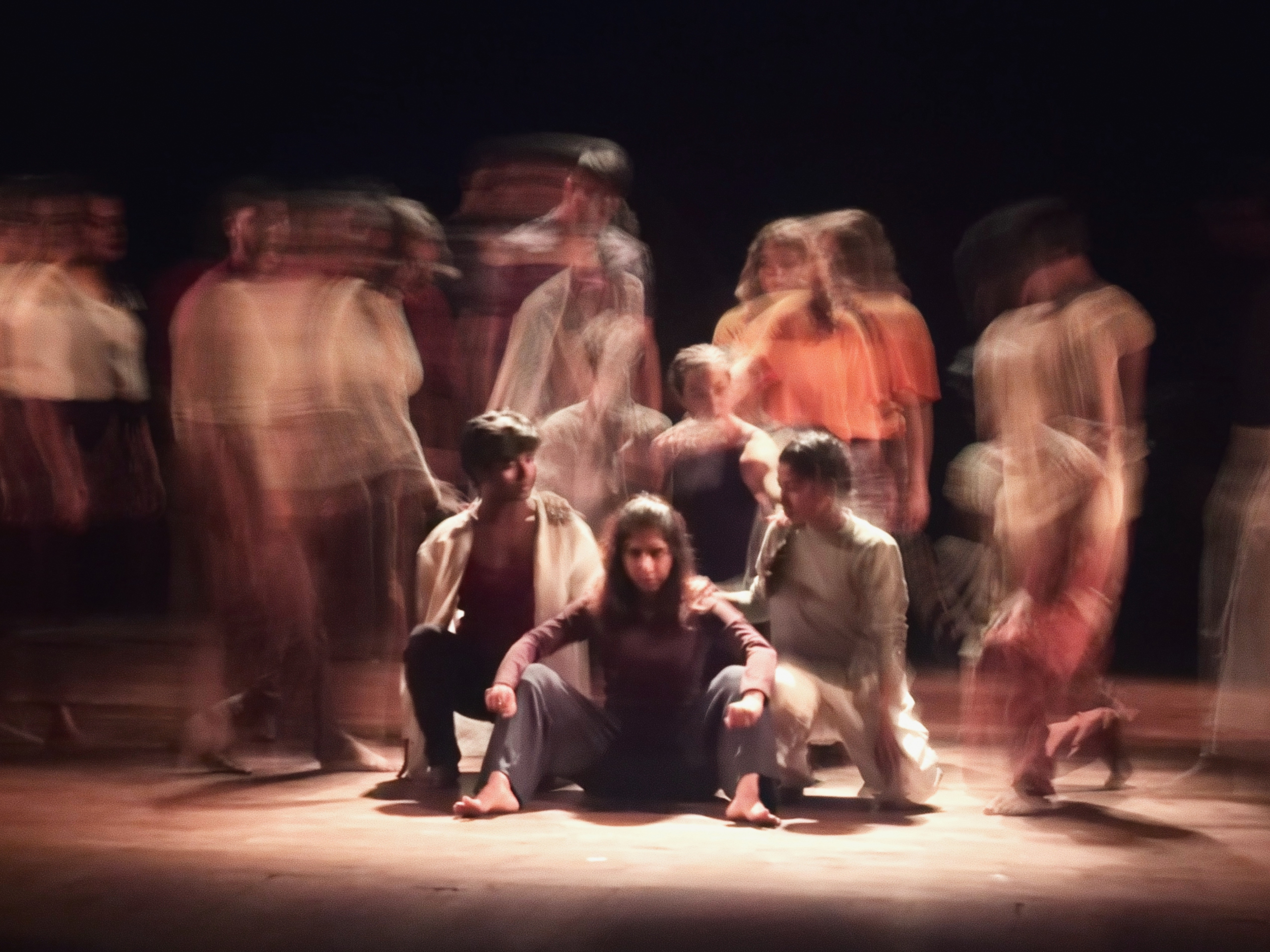
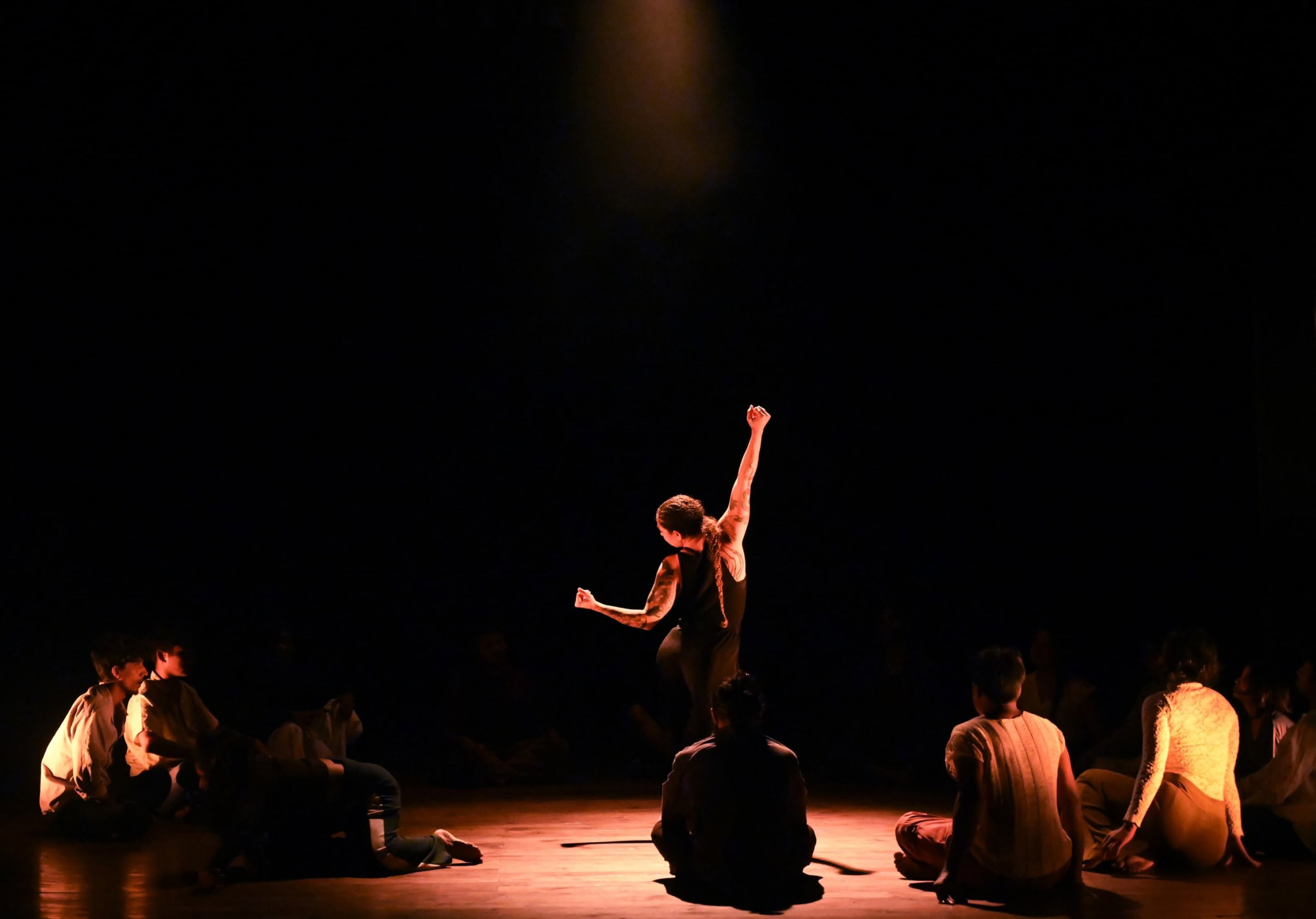
A dancer moving through slow and fast acrobatic movements; a human chain forming alongside him by putting hands on each other’s shoulders for the dancer, in search of a connection with the humans around him, to join in. Someone in the human chain gazes back and immediately starts walking as everyone scatters, grooving in one circle, repeating “AMI or WE” (I or We).
From grooving to the silent crawling of dancers around, another one slapping himself, shouting, holding onto his wrist tightly, before finally holding his breath, exhaling, and falling on the stage.
The showcase of vulnerability in search of a human connection is as bold and loud as the chants in a circle formation. I took something personal back home, like a piece of the human chain or a push to search for it.
-Khushboo Kukreja
RE-GARDE
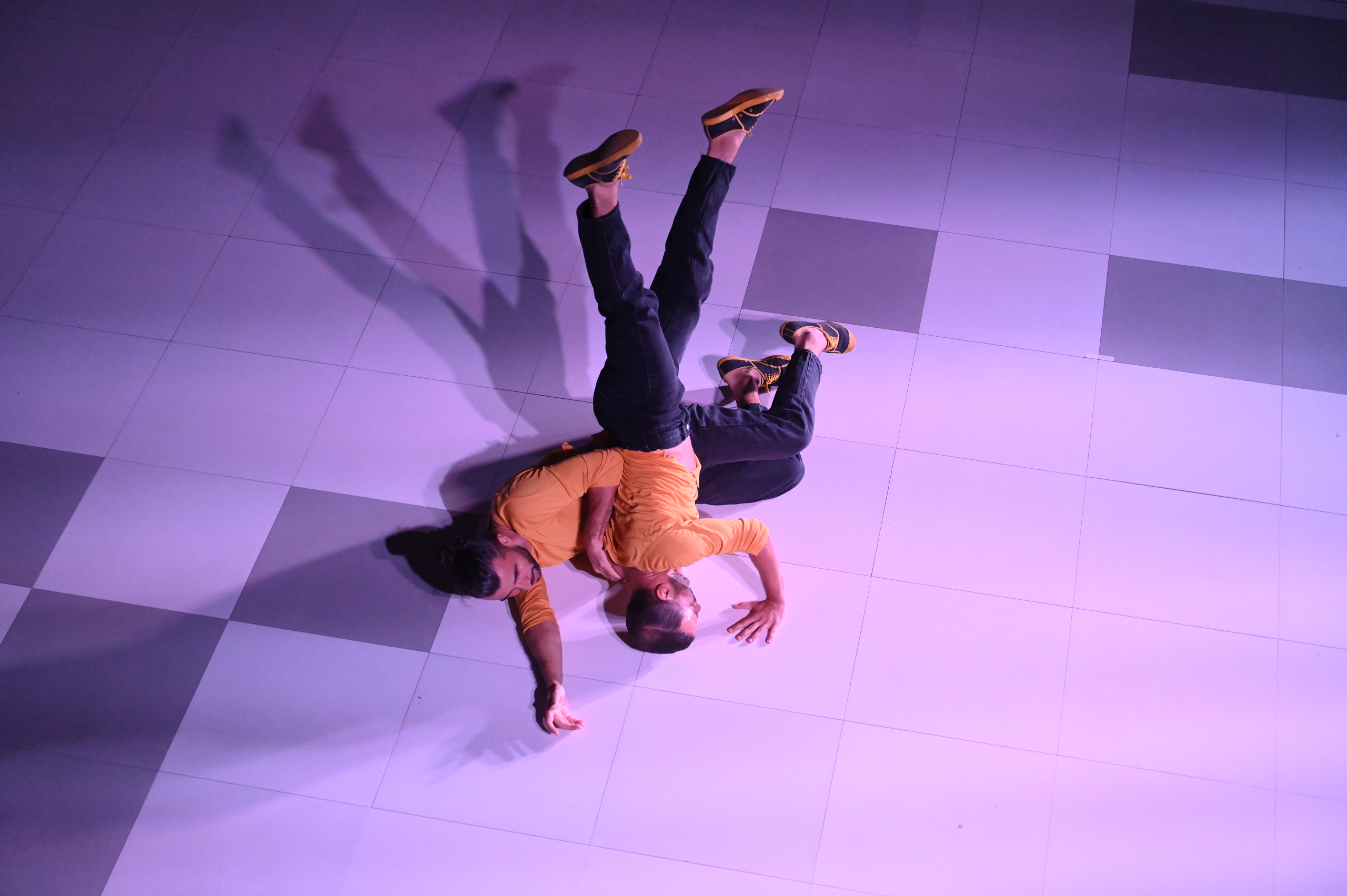
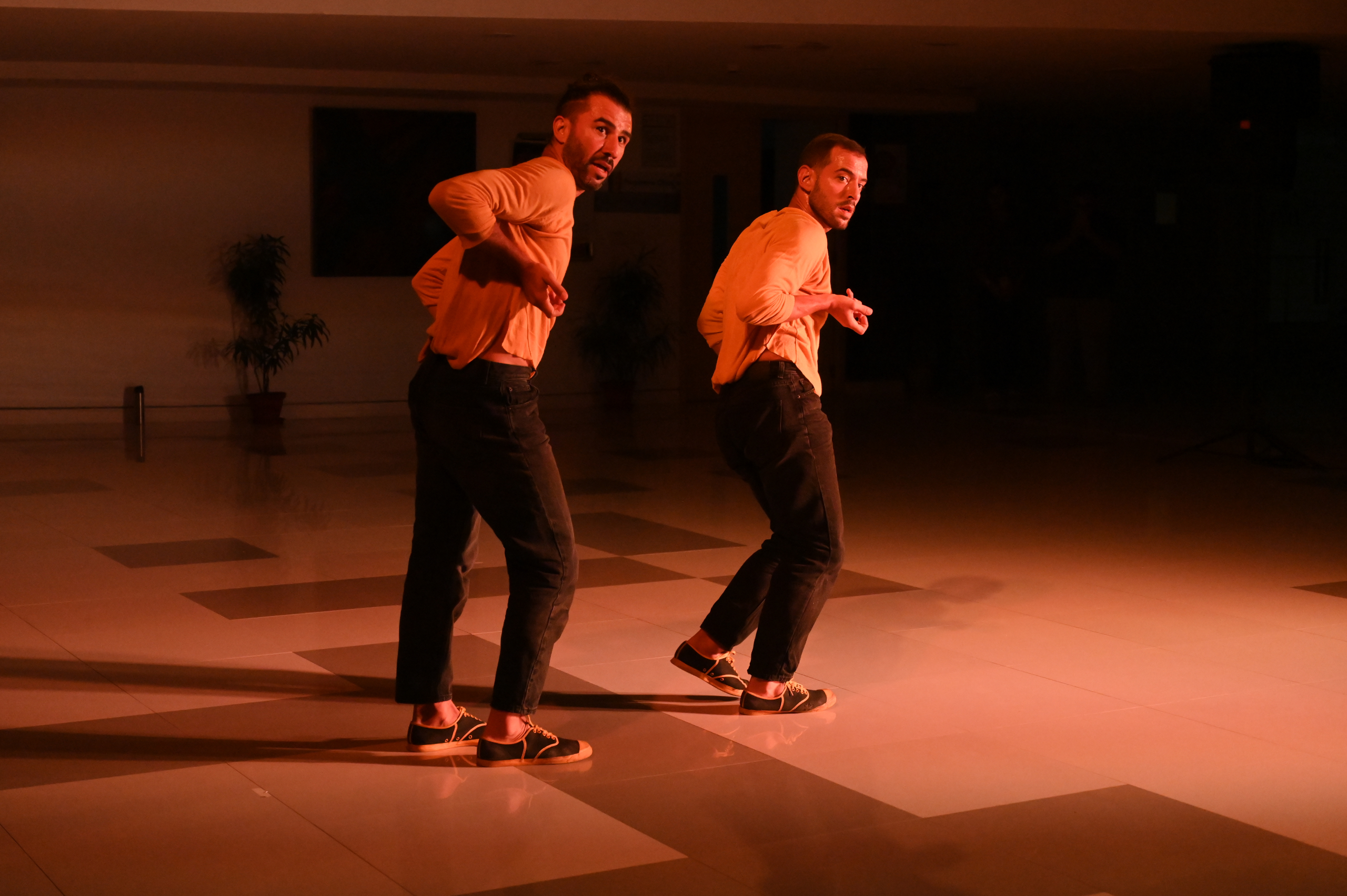
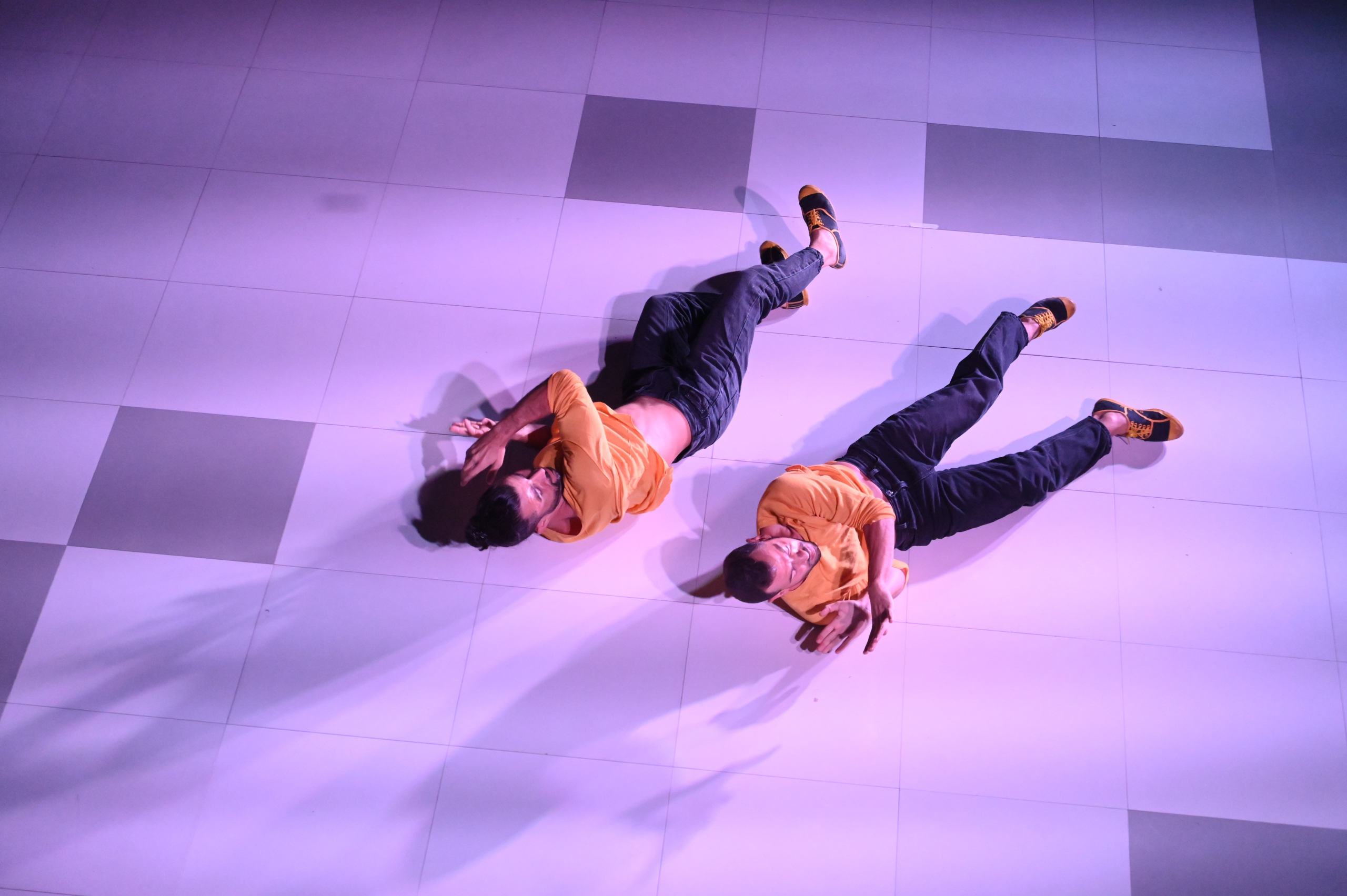
When playful banter expands between two agile movers in weightless abandon, one can’t help but marvel. With childlike curiosity, choreographers and dancers Francesco Colaleo and Maxime Freixas of Cie MF turn minute and animated motions of the knees and hips into pure kinetic joy. They balance the partnering mechanics of follow-and-lead and fall-and-recovery in undulating rhythms. Absurd pauses and a quirky sense of momentum make this duet organic and overwhelmingly stylish.
This soft acrobatic delight creates a barrier-free play zone for sight, limbs and facial contortions that transcends narrative. Set against a metallic, industrial score (alongside Aznavour’s La Bohème), the explosive athleticism is softened and invokes new ways of playing the classic game of Twister. Two bodies leisurely glide, counterbalance and negotiate gravity as though the shiny, hard floor of International Management Institute’s atrium has no bearing on their gooey ease. Though an abridged version of a longer work, Re-garde subverts the self serious tropes of contemporary while remaining unrepentantly breezy.
– Sangram Mukhopadhyay